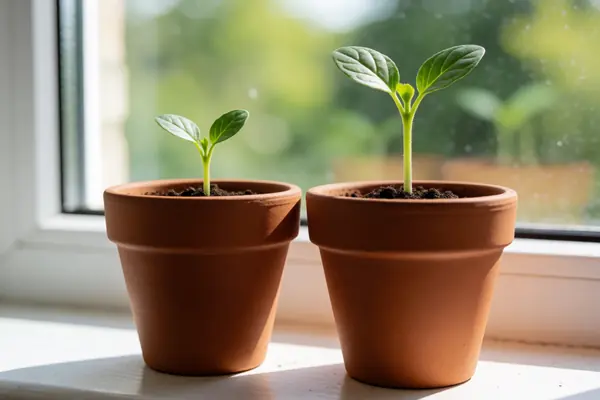
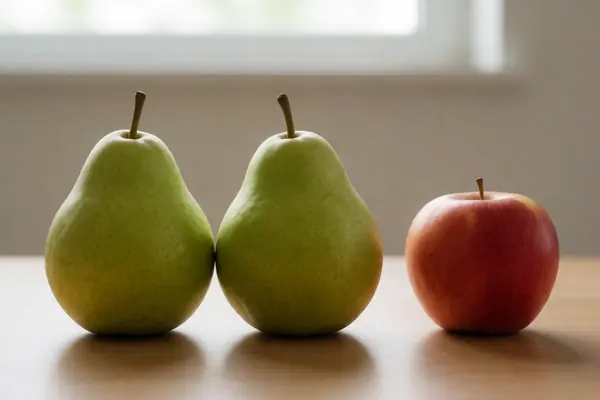
IDENTICAL
One egg, split in two
Identical twins share the same genes and are always the same sex. The NHS says nobody knows what causes them, and everyone has the same chance: about 1 in 250.
Check the odds
WHAT THE GUIDANCE SAYS
ONE IN 250 the same odds for all
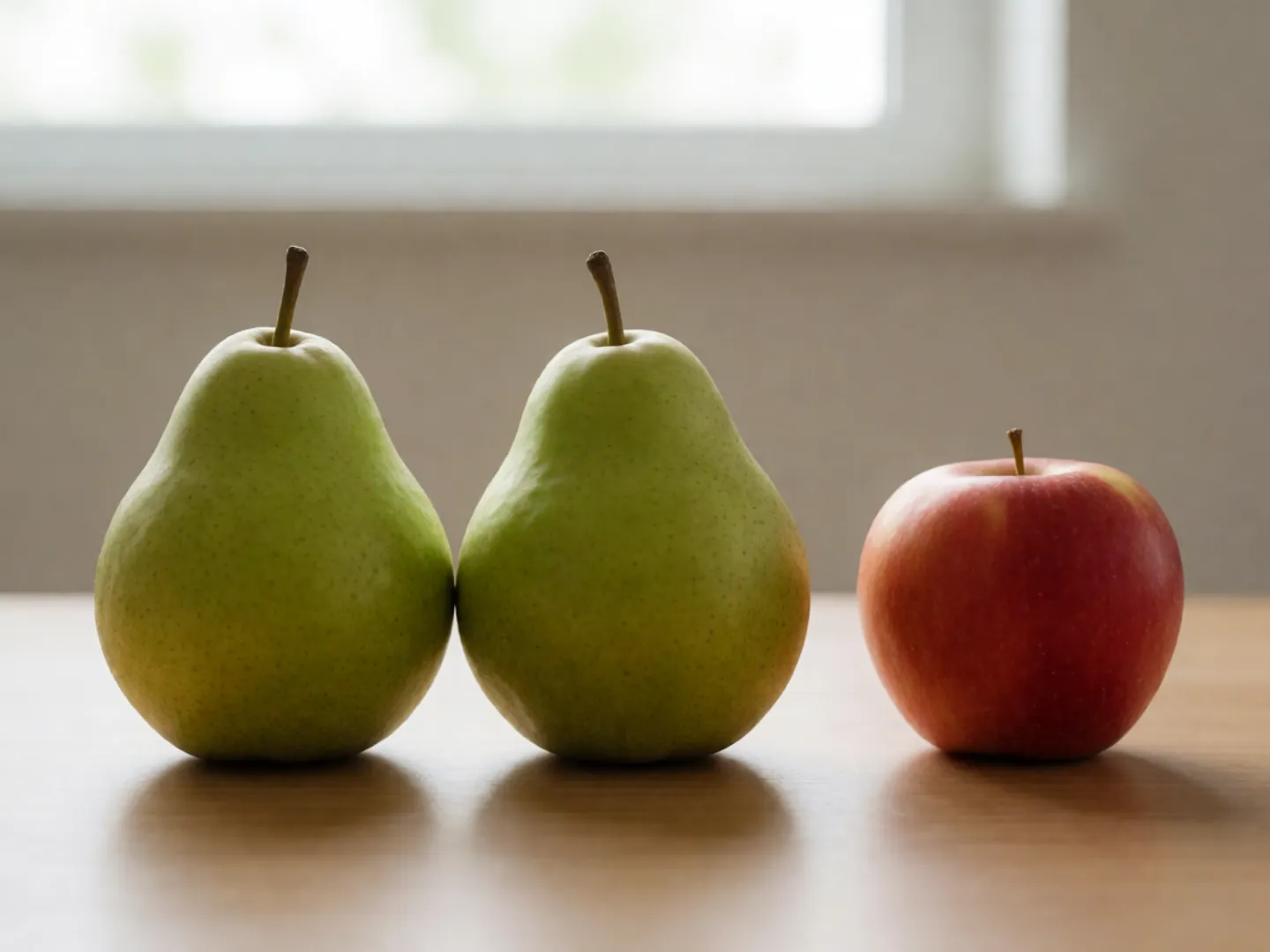
AI-generated image, not a photograph of a real person or place.
Two babies at once happens in two quite different ways.
Identical twins come from a single fertilised egg that splits in two. Non-identical twins come from two eggs fertilised at the same time, and are no more alike than any other siblings.
THE SHORT ANSWER
The NHS says one third of twins are identical
and two thirds are non-identical.
IDENTICAL
Identical twins share the same genes and are always the same sex. The NHS says nobody knows what causes them, and everyone has the same chance: about 1 in 250.
Check the oddsNON-IDENTICAL
Non-identical twins come from two eggs fertilised in the same cycle. They can be the same sex or different, and they are more likely to run on the mother's side.
See the numbersTWIN STUDIES
Comparing identical and non-identical twins lets researchers estimate how much of the variation in a trait comes from genetic differences.
How it works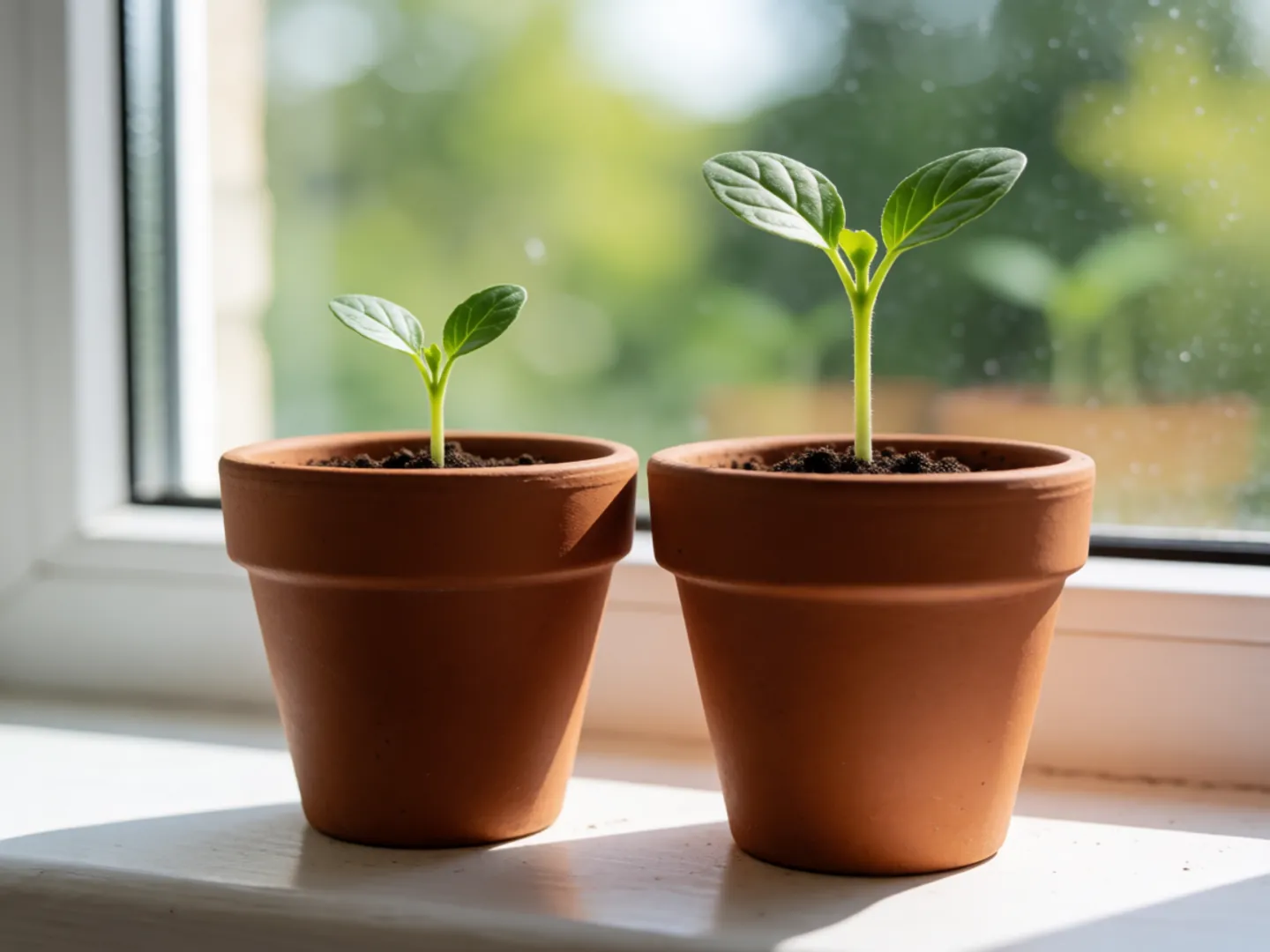
HOW TO TELL TWINS APART
These come from the NHS page on twin pregnancies. Sometimes the answer is clear early on; sometimes only a test after birth can say.
A boy and a girl are always non-identical, because identical twins are always the same sex.
It is usually possible to find out you are having twins at the 12-week scan.
Twins sharing a placenta are identical; two separate placentas can mean either kind.
The most accurate way to tell, and it can only be done after the babies are born.
TWO NUMBERS WORTH KNOWING
One figure on identical twins worldwide,
one on how UK fertility clinics cut multiple births.
3–4 per 1,000
Identical twins per 1,000 births worldwide
MedlinePlus Genetics says identical twins occur in 3 to 4 per 1,000 births worldwide, and non-identical twins are about twice as common.
IDENTICAL TWINS · MEDLINEPLUS
24→10%
Multiple birth rate after IVF, 2008 to 2017
The UK fertility regulator met its 10% multiple birth target for the first time in 2017, down from 24% in 2008, mainly by transferring one embryo instead of two.
IVF MULTIPLE BIRTHS · HFEA
The HFEA calls multiple births the single greatest risk of fertility treatment, because multiple pregnancies and births are riskier for the mother and babies.
A QUICK ODDS CHECK
Pick a situation to see what NHS, MedlinePlus Genetics and HFEA information says about it. The bar shows how much it raises the chance of twins.
Based on NHS, MedlinePlus Genetics and HFEA pages. General information only, not medical advice; ask your midwife or clinic about your own pregnancy or treatment.
WHY SCIENTISTS LOVE TWINS
Identical twins have almost no differences in their DNA, while non-identical twins share about half on average. If a trait is more alike in identical pairs raised together, genes probably play a part. Comparing the two gives an estimate of heritability.
Heritability describes variation in a population, not how much of one person's trait is caused by genes. TwinsUK, founded in 1992 at King's College London, now includes over 16,000 identical and non-identical twins aged 18 to 104.
In conversation
Identical twins come from one fertilised egg that divides in two and share the same genes. Non-identical twins come from two eggs fertilised at the same time and are no more alike than other siblings.
Non-identical twins can, usually on the mother's side, probably through an inherited tendency to release more than one egg. Identical twins do not run in families, according to the NHS.
Non-identical twins. The NHS says one third of all twins are identical and two thirds non-identical, and MedlinePlus says non-identical twins are about twice as common.
No. The NHS says identical twins are always the same sex, so a boy and a girl are non-identical twins.
No. MedlinePlus Genetics explains that it means 70% of the variability in the trait in a population is due to genetic differences, not that 70% of it is caused by genes in any one person.
Each figure on this page comes from the sources below.
ABOUT THIS NAME
doodledoubles.com is part of the DoodleSale portfolio. It isn't in an auction right now, but you can ask about leasing it.